Mastering System Integration
Discover how precise integration of hardware components enhances system efficiency, stability, and scalability. Our expert insights help you design systems with seamless compatibility and performance optimization.
What is System Integration?
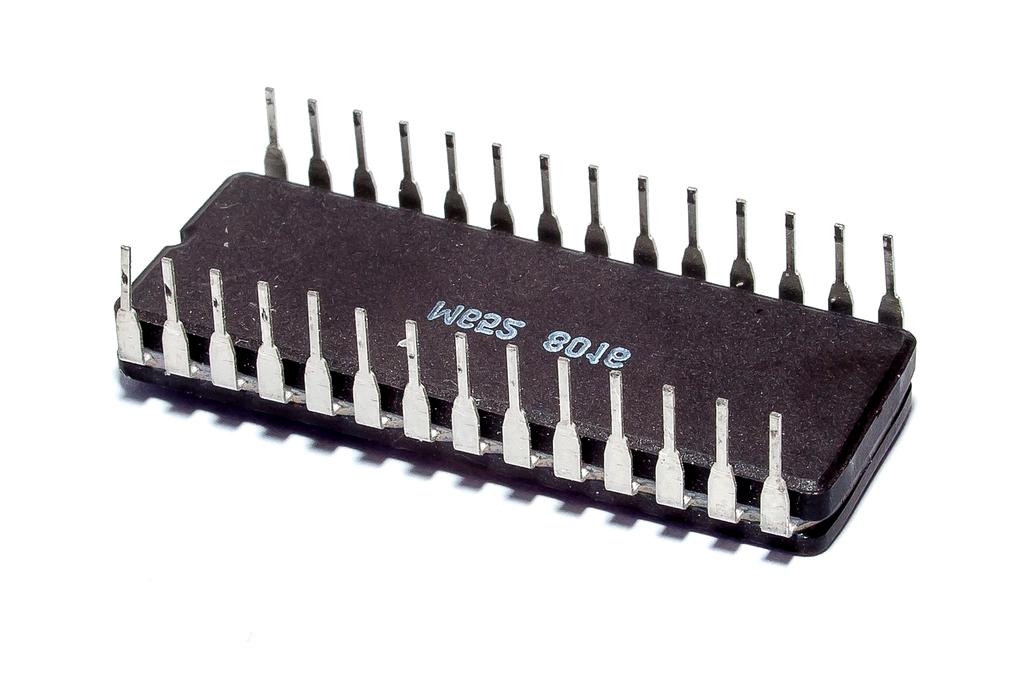
System integration involves coordinating various hardware components to work in harmony, ensuring compatibility and maximizing system performance. It requires careful planning of component selection, connectivity, and software support to build reliable and efficient computer systems.
Key Aspects of Integration
- Hardware Compatibility: Choosing components that communicate effectively without conflicts.
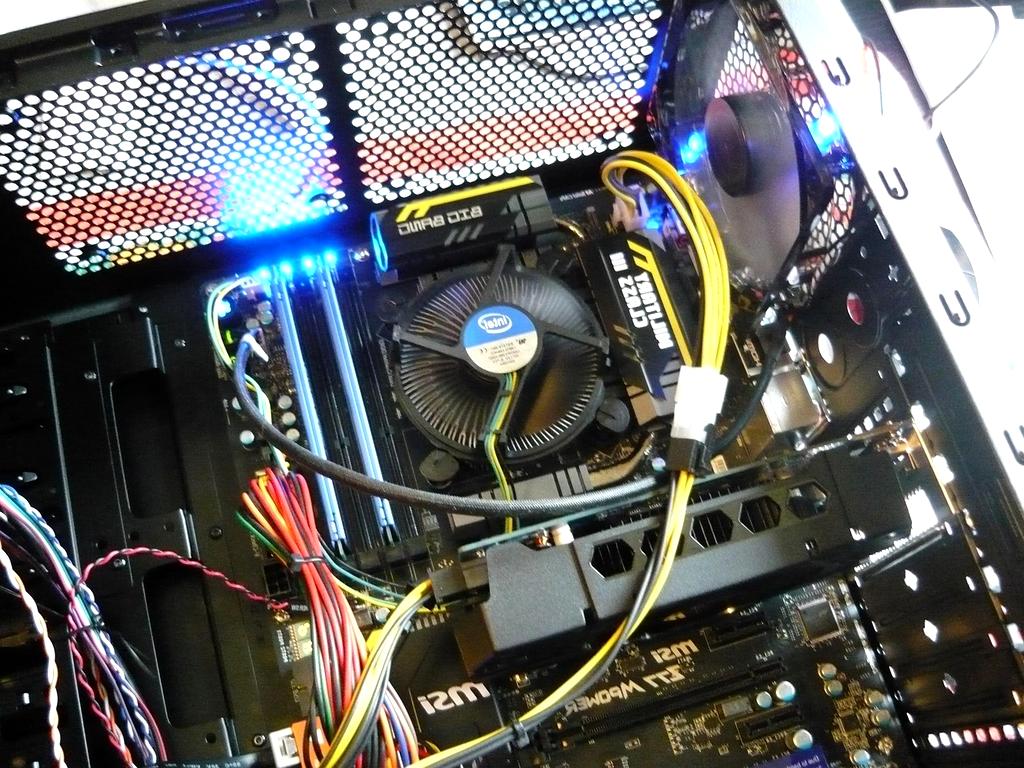
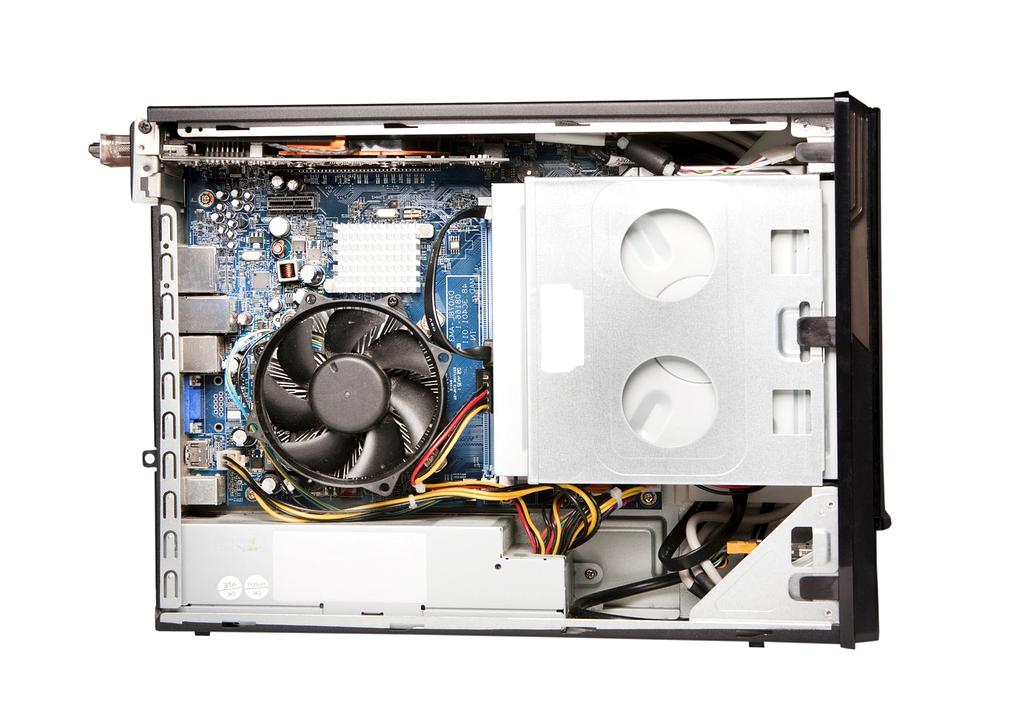
- System Architecture: Planning the layout and connections to optimize signal flow and cooling.
- Firmware and Drivers: Ensuring software support for hardware enables smooth functionality.
- Performance Optimization: Balancing component specifications to prevent bottlenecks and enhance throughput.
Best Practices for Effective Integration

Component Testing
Test each hardware part independently before assembling to identify defects early and ensure compatibility.
Thermal Management
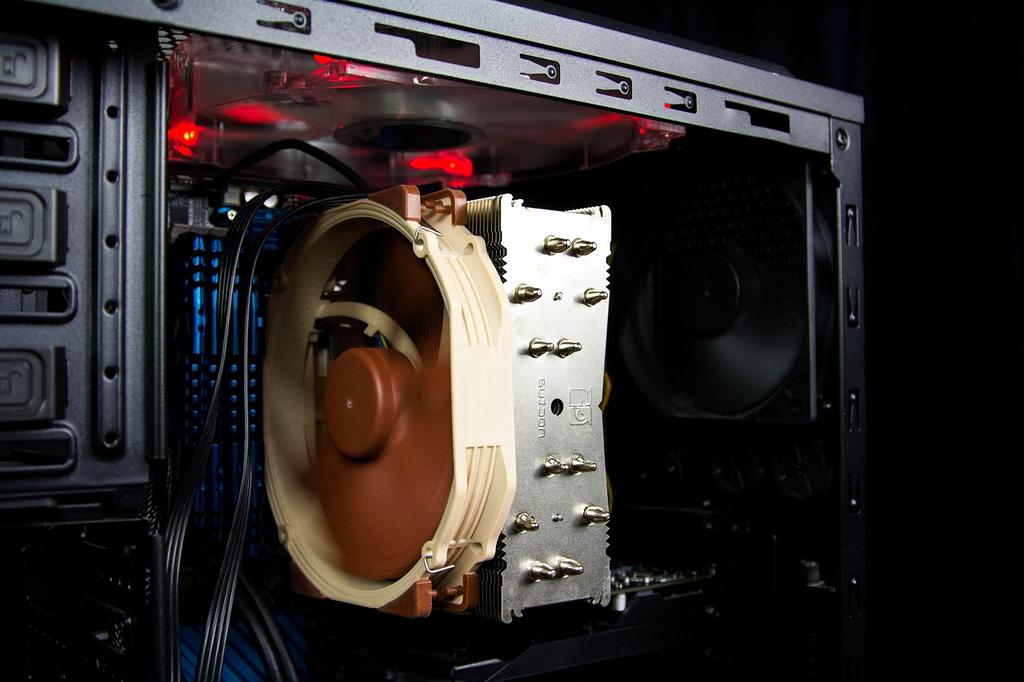
Maintain proper cooling solutions and airflow design to prolong hardware lifespan and maintain system stability.
Firmware & Software Updates
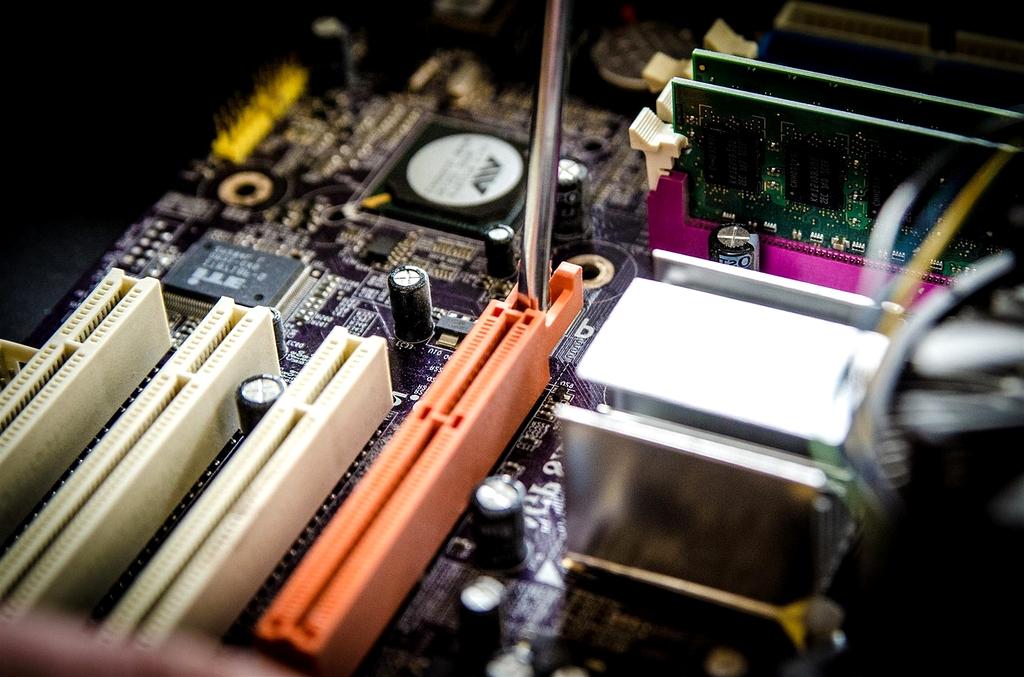
Regularly update BIOS, drivers, and system software to ensure compatibility with the latest hardware features and security patches.
Configure Your Custom System
Get personalized recommendations from our hardware experts and receive a tailored build quote within 24 hours
Why Choose Our Custom Builds?
5-Year Warranty
Comprehensive coverage on all components and labor
Expert Consultation
Free lifetime technical support from certified engineers

Performance Testing
72-hour burn-in testing ensures optimal stability